
 02071831310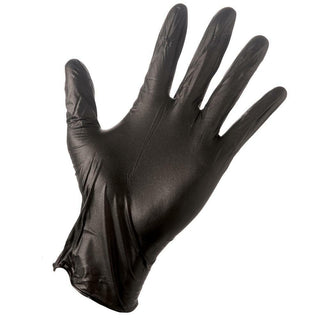



Choosing the right workplace cleaning supplies means selecting safe, effective, and suitable products for your environment. Businesses should consider hygiene requirements, surface types, COSHH compliance, environmental impact, and cleaning frequency when choosing commercial cleaning solutions.
The right supplies do more than create a clean appearance. They help prevent the spread of germs, protect employees and visitors, improve workplace safety, and support professional hygiene standards.
Why Is Choosing the Right Workplace Cleaning Supplies Important?
The correct workplace cleaning supplies ensure efficient cleaning while reducing risks to people and surfaces. Every workplace has different cleaning needs. An office, school, healthcare facility, or warehouse requires different products and cleaning methods.
Using the wrong chemicals can damage equipment, create health risks, or fail to remove harmful bacteria and viruses. Therefore, businesses should choose reliable commercial cleaning products UK suppliers that offer professional-grade solutions designed for specific applications.
For example, offices may need gentle surface cleaners, glass cleaners, and hand hygiene products. Industrial sites may require stronger industrial cleaning chemicals designed to remove heavy grease, oil, and stubborn dirt.
How Do You Choose Commercial Cleaning Products for Your Business?
If you are wondering how to choose commercial cleaning products, follow these essential steps.
1. Assess Your Workplace Cleaning Requirements
Start by identifying your workplace type, high-traffic areas, and common cleaning challenges.
A typical office cleaning supplies list may include:
- Multi-surface cleaners
- Glass and window cleaners
- Floor cleaning products
- Microfibre cloths
- Mops and buckets
- Vacuum cleaners
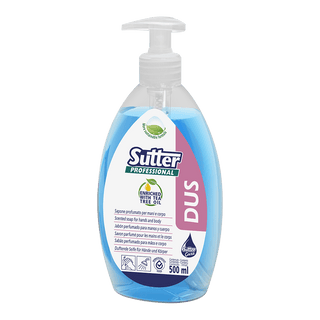
- Hand soaps and sanitising products
- Waste bins and bin liners
- Toilet cleaning chemicals
- Paper towels and dispensers
Schools, healthcare settings, and food preparation areas may require additional commercial disinfectants and sanitizers to maintain higher hygiene levels.
2. Choose COSHH-Compliant and Safe Cleaning Chemicals
Safety should always be a priority when selecting cleaning products.
Businesses should use COSHH compliant cleaning products that meet the Control of Substances Hazardous to Health regulations. These products include clear instructions for safe storage, handling, and usage.
Always review cleaning product safety data sheets (MSDS) before introducing new chemicals into your workplace. Safety data sheets provide important information about hazards, protective equipment, first aid measures, and proper disposal.
Choosing safe workplace cleaning chemicals protects cleaning staff, employees, customers, and visitors from unnecessary exposure to harmful substances.
3. Select Products Based on the Surface and Level of Dirt
Not all cleaning chemicals work the same way.
General workplaces may require mild cleaners for daily maintenance, while factories and workshops may need heavy-duty industrial cleaning chemicals to remove oils, grease, and industrial residues.
Examples include:
|
Workplace Area |
Recommended Cleaning Solution |
|
Desks and furniture |
Multi-purpose surface cleaners |
|
Washrooms |
Disinfectants and descaling chemicals |
|
Floors |
Floor cleaners and maintenance products |
|
Kitchens |
Degreasers and food-safe cleaners |
|
Warehouses |
Heavy-duty industrial cleaners |
Using the correct product improves cleaning results and prevents unnecessary damage to surfaces.
Should You Use Eco-Friendly Commercial Cleaning Products?
Yes. Many businesses now choose eco-friendly commercial cleaning products because they reduce environmental impact without compromising cleaning performance.
Environmentally responsible products can help companies lower their chemical footprint, support sustainability goals, and create healthier indoor spaces.
When selecting green cleaning products, look for options that provide effective cleaning performance, responsible ingredients, and suitable certification where applicable.
Why Is Colour-Coded Cleaning Equipment Important?
Color-coded cleaning equipment helps prevent cross-contamination by assigning specific cleaning tools to different areas.
A common colour coding system includes:
- Red: Toilets and washroom areas
- Blue: General workplace areas and offices
- Green: Kitchens and food preparation areas
- Yellow: Clinical or hygiene-sensitive areas
This simple system improves workplace hygiene standards and reduces the risk of transferring bacteria from one area to another.
Should Businesses Buy Cleaning Supplies in Bulk?
For many organisations, buying bulk cleaning supplies for businesses offers better value and ensures essential items remain available.
Bulk purchasing can reduce costs, minimise emergency orders, and maintain consistent cleaning routines.
However, businesses should store products correctly, follow manufacturer instructions, and avoid purchasing quantities that exceed their storage capacity or expiry periods.
What Janitorial Supplies Does Your Workplace Need?
A complete buying guide for janitorial supplies should include everyday essentials, hygiene products, and specialised cleaning equipment.
Common janitorial cleaning supplies include:
- Cleaning chemicals
- Disinfectants
- Mops and buckets
- Microfibre cloths
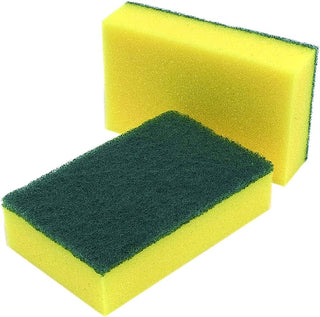
- Brushes and scrubbing pads
- Waste management products
- Hand hygiene products
- Floor care equipment
- Protective gloves and safety equipment
Choosing quality supplies from trusted suppliers ensures consistent cleaning performance and long-term value.
What Are the Best Cleaning Solutions for Schools and Public Spaces?
High-traffic environments require durable and reliable cleaning systems.
For example, commercial cleaning supplies for schools should support daily classroom cleaning, washroom hygiene, floor maintenance, and infection control.
Schools benefit from colour-coded equipment, effective disinfectants, easy-to-use cleaning tools, and safe chemicals suitable for environments where children are present.
Similarly, offices, hospitality venues, and retail businesses require tailored cleaning solutions based on foot traffic and hygiene risks.
How Can Businesses Maintain Long-Term Workplace Hygiene Standards?
Maintaining strong workplace hygiene standards requires more than purchasing cleaning products. Businesses should create a cleaning schedule, train staff correctly, and regularly review their cleaning methods.
A professional cleaning plan should include:
- Daily cleaning of high-touch surfaces.
- Regular deep cleaning of floors and shared spaces.
- Proper storage and handling of cleaning chemicals.
- Replacement of worn cleaning tools.
- Continuous monitoring of hygiene requirements.
Combining high-quality cleaning products with a structured cleaning routine creates a safer and healthier workplace.
Selecting the right workplace cleaning supplies requires careful planning, safety awareness, and an understanding of your workplace needs. From choosing commercial cleaning products UK businesses trust to selecting eco-friendly solutions and maintaining COSHH compliance, every decision contributes to a cleaner and safer environment.
Whether you need office essentials, industrial cleaning chemicals, or a complete range of janitorial products, investing in suitable cleaning solutions helps improve efficiency, hygiene, and professional standards.


