
 02071831310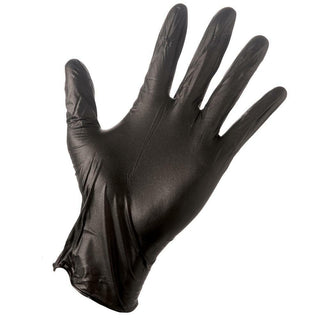


UK schools need the right cleaning supplies to meet health and safety law, stop the spread of illness, and pass Ofsted and local authority inspections.

In short, that means:
- COSHH-compliant products
- Colour-coded equipment
- Daily and deep-cleaning schedules
- Eco-friendly options where possible
Below, we break down exactly what to stock, why it matters, and how to build a cleaning routine that actually works.
Running a school is hard enough without worrying whether your cleaning cupboard is compliant. But every headteacher, site manager, and cleaning supervisor carries a legal duty to keep pupils and staff safe from hazardous substances and cross-infection.
Get it right, and you protect health, reduce sick days, and avoid awkward questions at inspection time. Get it wrong, and you risk fines, reputational damage, and — worse — a genuinely unsafe environment for children.
This guide walks through the supplies you need, the checklists that keep you organised, and the compliance rules you can't afford to skip.
Why Does School Cleaning Compliance Matter So Much?
Schools are high-traffic, high-risk environments. Hundreds of children share desks, toilets, and dining halls every day — which means germs spread fast, and cleaning failures become visible fast.
Beyond hygiene, schools have a legal duty under the Health and Safety at Work Act 1974 and the COSHH Regulations 2002 to control hazardous substances. This includes managing cleaning products so they don't expose staff or pupils to harmful chemicals, fumes, dust, or gases.
Fail to meet this duty, and the school — not just the cleaning contractor — carries the liability.
There's also a simpler reason to get it right: parents notice. A school that smells clean, looks tidy, and clearly takes hygiene seriously earns trust. One that doesn't, loses it quickly.
What Cleaning Products for Schools Are Essential?
Every school needs a core kit covering daily hygiene, deep cleaning, and infection control.
|
Category |
Examples |
Purpose |
|
Multi-surface sprays, disinfectant wipes |
Daily desk, door handle, and worktop cleaning |
|
|
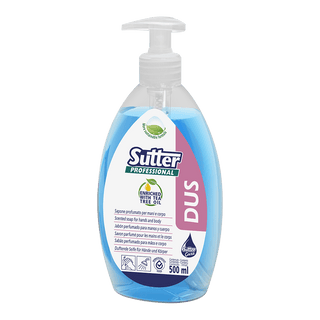
Toilet cleaner, descaler, hand soap, sanitiser |
Hygiene in toilets and washrooms |
|
|
Floor care |
Neutral floor cleaner, mop buckets, colour-coded mops |
Corridors, halls, and classrooms |
|
Food-safe degreaser, sanitiser spray |
Canteens and food prep areas |
|
|
Gloves, aprons, goggles |
Protecting staff during COSHH tasks |
|
|
Waste management |
Bin liners, clinical waste bags |
Safe disposal of hygiene waste |
Stocking janitorial supplies for schools isn't just about buying whatever's cheapest. Products need to be fit for purpose, correctly labelled, and backed by a safety data sheet — so your COSHH file is always up to date.
Tip: During flu and norovirus season (typically October to March), stock virucidal disinfectants effective against norovirus specifically. Not all "antibacterial" sprays kill viruses — check the label for an EN14476 rating, which confirms virucidal efficacy.
What Should a School Cleaning Checklist Include?


A good checklist splits tasks by frequency, so nothing gets missed and nothing gets duplicated:
- Daily — bins emptied, desks wiped, toilets cleaned, floors mopped, touchpoints disinfected

- Weekly — window sills, radiators, skirting boards, deep vacuuming of carpeted areas
- Termly / deep-clean — carpet shampooing, high-level dusting, upholstery cleaning, kitchen deep clean
- Holiday — full deep clean, pest checks, equipment servicing, stock audits
Using a checklist template keeps every cleaner working to the same standard, whether they're in-house staff or a contracted team. It also gives senior leaders a paper trail to show inspectors that cleaning is planned, not ad hoc.
Daily Cleaning Checklist
Focus on the areas pupils touch most:
- Door handles, light switches, and handrails
- Classroom desks and chairs
- Toilet seats, taps, and flush handles
- Dining tables and canteen surfaces
- Bins and waste bags
These "touchpoint" areas carry the highest infection risk, so they need attention every single day — not just at half term.
Deep Cleaning Checklist
Deep cleans tackle the buildup that daily cleaning can't reach:
- Carpet and upholstery extraction cleaning
- Grout and tile deep scrub in washrooms
- Behind and under furniture
- Air vents and light fittings
- Kitchen extraction and appliance interiors
These are usually scheduled for school holidays, when classrooms are empty and teams can work without disruption.
How Does a Cleaning Rota Help?
A cleaning rota assigns specific tasks to specific staff on specific days. Without one, jobs get missed, duplicated, or forgotten during busy weeks.
|
Day |
Task |
Responsible |
|
Monday |
Classroom surfaces, bins |
Cleaner A |
|
Tuesday |
Washrooms, dining hall |
Cleaner B |
|
Wednesday |
Floors, corridors |
Cleaner A |
|
Thursday |
Staff room, offices |
Cleaner B |
|
Friday |
Full walkthrough, restock supplies |
Team lead |
Rotas also make it easier to cover staff absence, since anyone can see at a glance what's outstanding.
What Is Colour Coding for Cleaning in Schools?
Colour coding follows the BICSc (British Institute of Cleaning Science) standard, which assigns a colour to each cleaning zone to stop cross-contamination:
|
Colour |
Area |
|
🔴 Red |
Washrooms and toilets |
|
🔵 Blue |
General areas (classrooms, offices) |
|
🟢 Green |
Catering and food areas |
|
🟡 Yellow |
Clinical or isolation areas |
Using colour-coded cloths, mops, and buckets means a mop used on a toilet floor never ends up on a dining table. It's a small change with a big impact on hygiene — and it's something Ofsted inspectors and environmental health officers often check for.
What Does COSHH Mean for School Staff?
COSHH stands for the Control of Substances Hazardous to Health Regulations 2002. In practice, it means schools must identify every hazardous cleaning substance on site, assess the risk it poses, and put controls in place to protect staff and pupils.
For school cleaning teams, this usually means:
- Keeping safety data sheets for every chemical product
- Storing chemicals securely, away from pupils
- Providing PPE such as gloves and goggles where needed
- Training cleaning staff on safe use and storage
- Checking any products contractors bring in themselves — these still need sign-off from the appropriate person at the school
Responsibility for COSHH sits with the school as employer, whether cleaning is done in-house or outsourced. If you use a contractor, ask to see their COSHH training records and safety data sheets — don't assume it's covered.
Are Eco-Friendly Cleaning Products Worth It?
Yes, and demand is growing fast. Green cleaning products reduce the chemical load in classrooms, cut down on strong fumes that can trigger asthma or allergies, and support a school's wider sustainability goals.
They typically use plant-based surfactants, biodegradable formulas, and refillable packaging — and they're just as effective for everyday cleaning. For infection control during outbreaks, though, you'll still want a proven disinfectant alongside your everyday green range.
Pros:
- Lower irritant risk for children with sensitivities
- Reduced environmental impact and packaging waste
- Often support wider school sustainability targets
Considerations:
- Norovirus outbreaks and blood spills need a certified disinfectant, not just a green all-purpose spray
- Slightly higher unit cost, though concentrate formats often even this out
How Do Cleaning Productivity Rates Affect School Budgets?
Cleaning productivity rates measure how much floor area one cleaner can realistically cover in an hour. Industry benchmarks typically sit around 300–400 square metres per hour for general cleaning, though this varies by task complexity and building layout.
Understanding your rate helps you:
- Budget accurately for staffing hours
- Set realistic expectations with contractors
- Spot when a building is understaffed for its size
If your team consistently can't finish the rota in their allotted hours, that's usually a sign the rate assumption is wrong — not that staff are underperforming.
What Changes in a Summer Cleaning Checklist?
Summer is your chance to do the jobs daily cleaning can't fit in. With classrooms empty for six weeks, use the time for:
- Full carpet and upholstery deep cleans
- Repainting and repairing worn areas
- Deep kitchen cleans and equipment servicing
- Pest control checks
- Stock audits and reordering supplies for September
It's also the ideal time to review your entire cleaning rota and supplier list before the new term starts.
What Hygiene Products Should Be in Every Classroom?
Beyond the cleaning cupboard, every classroom and communal space benefits from having these within easy reach:
- Hand sanitiser stations at entrances
- Tissues and lidded bins in classrooms
- Antibacterial wipes for shared equipment
- Soap dispensers in every washroom, kept topped up
Small, visible hygiene touches like these reinforce good habits in pupils and reduce the spread of seasonal illness.
Content Assets to Support Your Cleaning Programme
To make compliance easier, we've put together three resources every school office or facilities team should keep on file:
- School Supplies Checklist (PDF) — a printable, room-by-room list of every product your school needs in stock
- Term-Time vs Holiday Cleaning Guide — a side-by-side comparison of what to clean during term time versus what to save for the holidays
- COSHH Guidance for School Staff — a plain-English summary of what COSHH means for cleaning teams and how to stay on the right side of it
📥 Download our free school cleaning checklist PDF and keep your team on track all year round.
FAQs: School Cleaning Supplies
What are the most important school cleaning supplies to stock? Surface disinfectants, washroom supplies, floor care products, PPE, and colour-coded cloths and mops cover most daily needs.
How often should schools deep clean? Most schools deep clean during half-term and the summer holidays, alongside daily and weekly cleaning throughout term time.
Is COSHH training compulsory for school cleaning staff? Any staff member who handles hazardous cleaning substances should receive COSHH training, whether employed directly or by a contractor.
Why is colour coding important in school cleaning? It stops equipment used in washrooms from cross-contaminating food areas or classrooms, reducing the spread of germs.
Are eco-friendly cleaning products effective against viruses like norovirus? Not always. Choose a certified virucidal disinfectant for outbreak situations, and use eco-friendly products for everyday general cleaning.
Who is responsible for COSHH compliance if cleaning is outsourced? The school remains responsible for ensuring contractors are COSHH-trained and that products used on site are safe and properly documented.
Looking for a full range of janitorial supplies for schools? Browse our janitorial collection for everything from daily surface cleaners to COSHH-compliant chemicals, all in one place.


