 02071831310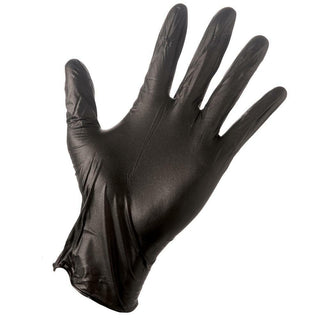


Healthcare cleaning keeps patients, staff, and visitors safe from harmful germs. It follows strict NHS cleaning guidelines and healthcare cleaning standards to stop infections from spreading. Care homes and hospitals use specific products, schedules, and checklists to meet these rules. Good infection control cleaning saves lives and protects vulnerable people every single day.
What Is Healthcare Cleaning?
Healthcare cleaning is the process of removing dirt, germs, and other contaminants from clinical and care settings. It goes far beyond a normal office clean.
Every surface in a hospital, clinic, or care home can carry bacteria or viruses. Healthcare cleaning uses specific chemicals, tools, and methods to break the chain of infection. Staff follow set routines for high-touch points like door handles, bed rails, and light switches. They also use colour-coded equipment to stop cross-contamination between different areas.
This type of cleaning protects patients who already have weak immune systems. It also protects staff and visitors from picking up infections and carrying them elsewhere. A well-run cleaning programme uses medical cleaning supplies that are tested and approved for clinical use, not general household products.
What Are the NHS Cleaning Guidelines?
NHS cleaning guidelines set out how, when, and with what NHS sites must clean each area. They cover cleaning frequency, product choice, staff training, and audit checks.
The NHS uses a National Standards of Healthcare Cleanliness framework. This framework gives each area of a hospital a risk rating. Higher-risk areas, such as operating theatres, need cleaning far more often than low-risk areas like offices. The guidelines also state which cleaning products and dilution rates staff must use for each task.
Trusts must record their cleaning results and share them with inspectors. This creates clear accountability. It also means every ward manager knows exactly what "clean" looks like, rather than guessing. Following these rules closely helps trusts pass CQC inspections and keep infection rates low.
Quick tip: Ask your supplier for a free NHS standards checklist. It maps each cleaning task to the correct frequency and risk level, so your team never misses a step.
What Are Healthcare Cleaning Standards?
Healthcare cleaning standards are the specific benchmarks a facility must hit to be classed as clean and safe. They cover visible cleanliness, germ counts, and staff compliance.
These standards usually include:
|
Standard Area |
What It Covers |
|
Visual cleanliness |
No dust, stains, or visible waste |
|
Microbiological cleanliness |
Safe bacteria levels on surfaces |
|
Staff compliance |
Correct use of PPE and chemicals |
|
Audit frequency |
Regular unannounced inspections |
|
Documentation |
Signed cleaning logs and schedules |
Meeting these standards is not a one-off task. It needs daily checks, trained staff, and the right tools. Many care homes now use a CQC-aligned product guide to match every product on their shelf to a specific standard, which makes audits much faster and less stressful.
What Are the 3 Levels of Cleaning in Healthcare Facilities?
Healthcare facilities use three levels of cleaning: routine cleaning, discharge cleaning, and terminal cleaning. Each level matches a different level of infection risk.
- Routine cleaning happens daily. Staff wipe down surfaces, empty bins, and mop floors in occupied rooms and wards.
- Discharge cleaning happens when a patient leaves a bed or room. It's deeper than routine cleaning and prepares the space for the next patient.
- Terminal cleaning happens after a patient with a known infection leaves, or on a set schedule for high-risk areas. It is the deepest and most thorough clean.
Understanding these three levels helps cleaning teams plan their time and stock correctly. Rushing a terminal clean, or skipping it after an infectious patient leaves, is one of the biggest causes of outbreaks in hospitals and care homes.
What Is Terminal Cleaning in Healthcare?
Terminal cleaning in healthcare is a deep, top-to-bottom clean of a room or area after a patient is discharged, transferred, or has passed away. It removes all traces of infection before the space is used again.
Terminal cleaning covers walls, ceilings, curtains, mattresses, equipment, and every surface a patient may have touched. Staff strip and disinfect the bed frame, clean under and behind furniture, and replace curtains and soft furnishings where needed. This process usually takes much longer than a routine clean, often 45 minutes to over an hour per room.
Real-world example: Many NHS trusts run terminal cleaning audits after outbreaks of infections like C. difficile or norovirus. Trusts that follow a strict terminal cleaning checklist report faster ward reopening times and lower reinfection rates compared to those with informal processes.
Terminal cleaning always needs the right protective equipment. Staff should never skip gloves, aprons, or masks during this process. Stock up on reliable PPE and first aid supplies to keep your team protected during every deep clean.
What Is Infection Control Cleaning?
Infection control cleaning is any cleaning method designed specifically to stop the spread of harmful microorganisms. It combines the right products, correct contact times, and consistent staff training.
Infection control cleaning products must kill bacteria, viruses, and fungi within a set contact time, usually printed on the product label. Using the wrong dilution, or wiping a surface dry too soon, can leave germs alive and spreading. This is why staff training matters just as much as the product itself.
Infection Control Cleaning Checklist
Use this simple checklist to keep your infection control routine on track:
- Check the correct chemical is used for the surface and risk level
- Confirm the contact time on the label before wiping dry
- Change cloths and mop heads between rooms
- Wear correct PPE for every task
- Clean high-touch points at least twice daily
- Log every clean with time, date, and staff initials
- Report any missed cleans immediately to a supervisor
Infection Control Cleaning Guidelines
Guidelines for infection control cleaning generally follow these principles:
- Clean from the least soiled area to the most soiled area
- Always disinfect after cleaning, not instead of it
- Use single-use disposable cloths where possible
- Never mix chemicals unless the label confirms it is safe
- Store all healthcare cleaning products away from food and drink areas
What Care Home Cleaning Products Do You Need?
Care homes need a mix of general and specialist cleaning products to meet health and safety rules. This includes disinfectants, detergents, and protective equipment.
Common care home cleaning supplies include:
- Multi-surface disinfectants and sanitisers
- Toilet and bathroom cleaning chemicals
- Laundry detergents for bedding and clothing
- Colour-coded cloths and mop systems
- Disposable aprons, masks, and gloves
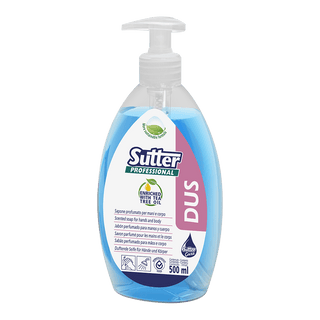
- Hand sanitiser and soap dispensers
Durable, well-fitting gloves are one of the most-used items in any care home. Reliable gloves protect both staff and residents during personal care and cleaning tasks. A pack of 12 yellow rubber gloves gives your team a strong, reusable option for everyday tasks like washing up, bathroom cleaning, and general surface wiping.
Care Home Cleaning Schedule Template
A clear schedule keeps every room and task on track. A simple template usually includes:
|
Task |
Frequency |
Responsible Staff |
|
Wipe high-touch points |
Every 2-4 hours |
Care staff |
|
Clean bathrooms |
Daily |
Housekeeping |
|
Change bed linen |
Daily or as needed |
Care staff |
|
Deep clean bedrooms |
Weekly |
Housekeeping |
|
Terminal clean (post-discharge) |
As required |
Trained cleaning team |
|
Audit and log review |
Weekly |
Manager |
Ask your supplier about a free care home audit template. It turns this schedule into a simple form your team can tick off and sign daily, which makes CQC visits far less stressful.
Why Does Hand Hygiene Compliance Matter in Healthcare?
Hand hygiene compliance is one of the single biggest factors in stopping infection spread in healthcare settings. Clean hands stop germs moving from person to person and surface to surface.
Studies consistently show that proper hand hygiene, done at the right moments, cuts healthcare-associated infections significantly. The World Health Organization's "5 Moments for Hand Hygiene" model is widely used across NHS trusts. It reminds staff to clean their hands before touching a patient, before a clean procedure, after body fluid exposure, after touching a patient, and after touching their surroundings.
Poor hand hygiene compliance is often linked to low staff awareness, not laziness. Regular training, visible reminders, and easy access to sanitiser stations all improve compliance rates over time.
What Is Environmental Cleaning in Healthcare Facilities?
Environmental cleaning covers the cleaning of the physical space around a patient, including floors, furniture, and equipment, rather than the patient themselves.
This includes wiping down bed frames, cleaning floors, disinfecting shared equipment like wheelchairs, and maintaining air vents and curtains. Environmental cleaning works alongside hand hygiene and PPE use to form a complete infection control strategy. Skipping any one part weakens the whole system.
What Is the Revised Healthcare Cleaning Manual?
The revised healthcare cleaning manual refers to updated national guidance that sets clearer cleaning frequencies, responsibilities, and standards across NHS and care settings.
The revision aims to simplify older, more complicated cleaning matrices into clearer risk categories. It also places more responsibility on named individuals for each area, rather than leaving cleaning duties vague. Facilities that adopt the revised manual early often find audits smoother, since inspectors are trained against the same updated framework.
Cleaning Standards for Healthcare Facilities: A Quick Summary
Cleaning standards for healthcare facilities exist to protect patients, staff, and visitors from preventable infections. They combine clear guidelines, trained staff, the right products, and regular audits.
Getting this right isn't just about ticking a compliance box. It's about creating a genuinely safer environment for people who are often at their most vulnerable. The right healthcare cleaning products, used the right way, make a measurable difference to infection rates and patient outcomes.
FAQs
What is the difference between routine cleaning and terminal cleaning?
Routine cleaning is a daily surface clean of an occupied space. Terminal cleaning is a deep, thorough clean after a patient is discharged or after an infection risk, covering every surface, curtain, and piece of equipment in the room.
How often should high-touch surfaces be cleaned in healthcare settings?
High-touch surfaces like door handles and bed rails should be cleaned at least every two to four hours in most healthcare settings, and more often in high-risk areas.
What products are best for infection control cleaning?
Look for disinfectants with a proven contact time against bacteria and viruses, alongside disposable cloths and correctly fitted PPE such as gloves, aprons, and masks.
Do care homes need to follow the same cleaning standards as hospitals?
Care homes follow similar core principles but with schedules adapted to residential settings. CQC inspections check that care homes meet safe, documented cleaning standards suited to their residents' needs.
Why is hand hygiene compliance still a challenge in healthcare?
Hand hygiene compliance often drops due to time pressure, understaffing, or lack of visible reminders, not because staff don't understand its importance. Ongoing training and easy access to sanitiser help close this gap.
Stock your team with trusted chemicals, PPE, and janitorial supplies built for healthcare and care home environments. View our healthcare cleaning product range and keep your facility audit-ready every day.


