 02071831310


A cleaning audit checklist helps UK businesses inspect, measure, and maintain consistent workplace cleanliness. By systematically reviewing office zones, washrooms, and kitchens against clear hygiene standards, facility managers ensure health regulation compliance, boost cleaning quality, and protect staff well-being.
What is a cleaning audit checklist and why do UK businesses need one?
A cleaning audit checklist is a structured inspection tool that evaluates how well your cleaning team meets defined hygiene standards. UK businesses use this document to monitor surface sanitisation, identify missed tasks, track contractor performance, and prove compliance with workplace health and safety laws.
Maintaining high workplace standards requires more than a casual visual check. In the UK, commercial premises must comply with regulations from the Health and Safety Executive (HSE), the Control of Substances Hazardous to Health (COSHH), and the Food Standards Agency (FSA). A formal hygiene audit checklist transforms subjective opinions into measurable data.
When you implement a regular office cleaning audit checklist, your business gains several key operational advantages:
- Enforces Hygiene Compliance: Documented audits demonstrate that your business takes health and safety seriously, satisfying inspectors from local councils or environmental health officers.
- Drives Cleaning Contractor Accountability: If you outsource facilities management, a cleaning quality inspection checklist commercial document provides unbiased proof of whether your cleaning vendor fulfills their contract terms.
- Reduces Employee Absenteeism: Regular inspections ensure that cleaners properly disinfect shared touchpoints, cutting down office virus transmission and sick days.
- Extends Asset Lifespan: Proper carpet care, hard floor polishing, and surface maintenance prevent permanent wear, saving you money on early office refits.
To maintain high scores on your audits, your team needs professional supplies. You can explore UKCS professional janitorial supplies to equip your team with commercial-grade chemicals, colour-coded microfibre cloths, and heavy-duty floor care equipment.
How do you create a cleaning audit checklist in 5 simple steps?
You can create an effective cleaning audit checklist template by breaking your workplace into distinct physical zones and assigning explicit quality standards to every surface. Follow this 5-step process to build a customized audit document for your business.
1.Define Your Inspection Zones:Group your facility into logical audit areas.
Map out your entire building into distinct evaluation sectors. Separate high-traffic general office spaces, high-risk washrooms, food preparation kitchens, and public reception areas. Grouping tasks by area streamlines the physical walkthrough process for your auditor.
2.List Specific, Measurable Action Items:Avoid vague instructions like 'make it clean'.
Write precise, observable inspection criteria for each area. Instead of listing "clean desk," write "dust monitor screen, wipe desk surface with disinfectant, and sanitize telephone handset." Clear criteria remove ambiguity for both cleaners and inspectors.
3.Establish a Standardised Scoring System:Use a numerical or pass/fail rubric.
Assign a objective scoring scale to evaluate each item. A 1-to-5 rubric or a simple Pass/Fail system works best. Define a minimum passing grade (such as 85%) that your cleaning staff or external contractor must meet on every inspection.
4.Integrate UK Regulatory & COSHH Safety Standard Checks:Verify safety protocols alongside surface cleanliness.
Ensure your audit includes health and safety compliance checks. Verify that cleaning teams store chemicals safely in line with COSHH regulations, maintain updated Safety Data Sheets (SDS), and use correct personal protective equipment (PPE).
5.Set Up Corrective Action Workflows:Define how and when staff fix failed items.
Build a dedicated follow-up section into your checklist form. Require auditors to log failed items, assign immediate corrective duties to named cleaners, and schedule re-inspections within 24 to 48 hours.
What key areas should your commercial cleaning checklist PDF cover?
A comprehensive commercial cleaning checklist pdf must cover four primary operational environments: general workplace areas, washrooms, food handling kitchens, and entrance walkways. Tailor each section to the unique hygiene risks of that specific space.
1. General Office & Workplace Zones
Your office cleaning inspection checklist should focus on dusting, carpet care, and sanitising high-touch surfaces where germs spread rapidly.
- Workstations & Desks: Wipe keyboard surfaces, computer mice, desk phones, and desktop surfaces.
- High-Touch Points: Disinfect door handles, light switches, lift buttons, and stair handrails twice daily.
- Floors & Trash: Vacuum carpets, mop hard floors with neutral floor cleaner, and empty waste bins into central skips.
- Fixtures: Dust air conditioning vents, window sills, and high shelving monthly.
2. Washroom & Restroom Hygiene
Washroom inspections require rigorous germ elimination to prevent cross-contamination.
- Sanitary Appliances: Descale and disinfect toilet bowls, urinals, seats, and flush handles.
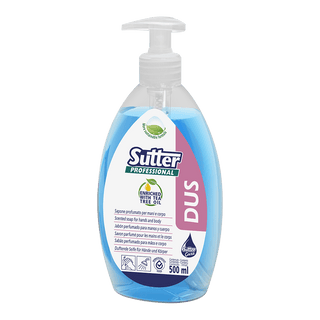
- Hand Hygiene Stations: Check hand hygiene audit checklist items by verifying that soap dispensers, paper towel holders, and hand sanitisers remain fully stocked and functional.
- Fixtures & Mirrors: Polish taps, clean mirrors until streak-free, and sanitize washroom door latches.
- Colour-Coded Tools: Ensure cleaners strictly use red-coded microfibre cloths and mops reserved exclusively for washrooms to stop cross-contamination.
3. Kitchen & Catering Facilities
If your business prepares or serves food, your kitchen hygiene audit checklist must mirror statutory FSA guidelines.
- Food Contact Surfaces: Sanitise food preparation counters, chopping boards, and dining tables with food-safe disinfectants.
- HACCP Protocols: Follow a strict haccp cleaning checklist by recording fridge temperatures, degreasing extraction hoods, and descaling commercial sinks.
- Appliance Hygiene: Clean microwave interiors, toaster trays, and refrigerator handle grips daily.
- Waste Disposal: Empty organic food waste bins daily and wash bin interiors with degreaser.
4. Building Walkthrough & Entrance Checks
A commercial cleaning walk through checklist pdf evaluates public-facing areas where first impressions count.
- Entrances & Glass: Clean glass doors, sweep entrance matting, and remove external litter.
- Hallways & Signage: Dust wall art, polish corporate signage, and verify that mop warning signs sit near freshly cleaned floors.
How to use a scoring rubric guide for accurate audits?
A scoring rubric guide establishes clear benchmark scores so different auditors produce consistent, unbiased audit results. By converting visual inspection observations into numerical scores, facility leaders can track cleaning quality trends over time.
Use this standardized 5-point scoring rubric guide during your building walkthroughs:
|
Audit Score |
Quality Rating |
Visual & Hygiene Definition |
Required Operational Action |
|
1 Point |
Unsatisfactory |
Severe grime, dangerous spill, or major hygiene violation observed. |
Issue urgent re-cleaning order within 2 hours. |
|
2 Points |
Below Standard |
Visible dust build-up, unemptied bins, or missed routine tasks. |
Assign corrective cleaning duty within 24 hours. |
|
3 Points |
Acceptable |
Baseline cleanliness met; minor cosmetic flaws noted. |
Address minor issues during the next scheduled shift. |
|
4 Points |
Good |
Clean, hygienic space; all surfaces pass touch inspections. |
Maintain current janitorial routine. |
|
5 Points |
Excellent |
Immaculate hygiene; zero dust, perfect sanitisation, full compliance. |
Log as benchmark performance; reward cleaning staff. |
Setting Your Compliance Threshold
Most UK commercial facilities set a target pass score of 85% or higher across the entire building cleaning inspection checklist. If an audit drops below 80%, management schedules a mandatory operational review with the cleaning team or contract supplier.
Should you choose a printable PDF audit or a digital audit tool?
You should choose a printable audit PDF template if you want a zero-cost, immediate solution that requires no software installation or staff training. Digital audit tools suit large enterprise facilities that manage multi-site properties requiring automated cloud analytics.
Compare the advantages and trade-offs of paper and digital audit formats below:
|
Operational Feature |
Printable PDF Audit Checklist |
Digital Audit Software / Mobile App |
|
Setup Cost |
Free to download and print on demand. |
Requires paid software subscriptions per user. |
|
Ease of Adoption |
Instant. Cleaners and managers understand paper clips immediately. |
Requires staff training and mobile device management. |
|
On-Site Visibility |
High. Pin completed paper sheets on janitorial cupboard noticeboards. |
Low physical visibility; records stay inside digital apps. |
|
Data Analytics |
Requires manual spreadsheet entry to track long-term trends. |
Generates real-time compliance charts automatically. |
|
Photo Proof |
Cannot attach physical photos directly to paper forms. |
Allows auditors to snap and attach photo evidence. |
|
Durability |
Paper sheets can suffer liquid damage on cleaning trolleys. |
Water-resistant digital tablets protect inspection logs. |
For most small to medium UK offices, retail stores, and schools, a cleaning inspection checklist template in printable PDF format delivers the ideal balance of simplicity, speed, and zero operating expense.
How can high-quality janitorial supplies improve your audit scores?
High-quality janitorial supplies improve your audit scores by making surface cleaning faster, eliminating pathogens effectively, and preventing cross-contamination. Even the most thorough audit checklist cannot overcome weak chemicals or worn-out cleaning tools.
To boost your workplace hygiene compliance scores, equip your team with commercial-grade cleaning products:
- Colour-Coded Microfibre Systems: Using colour-coded cloths—Red for washrooms, Blue for general office desks, Green for food prep, and Yellow for clinical areas—eliminates cross-contamination risks instantly.
- Commercial Disinfectants: Domestic cleaners lack the kill rate required for heavy commercial traffic. Use BS EN 1276 certified disinfectants that kill 99.999% of bacteria within recommended contact times.
- Heavy-Duty Floor Equipment: Microfibre flat mops and industrial vacuum cleaners remove embedded grit far more effectively than traditional string mops, helping hard floors pass slip-and-trip safety audits.
Stocking your janitorial store cupboards with trusted commercial products ensures your team achieves top audit marks every time. Explore the full range of professional janitorial solutions directly on the UKCS Janitorial Collection page to upgrade your facility care routine.
Download your free printable cleaning audit checklist template
You can download our free commercial cleaning quote checklist pdf and audit template to standardize hygiene inspections across your UK premises. Use this ready-to-print PDF form to conduct immediate walkthroughs, log score rubrics, and maintain spotless business premises.
📋 Free Resource: Printable Cleaning Audit Checklist (PDF)
What's included in your download:
-
Full workplace inspection layout covering offices, kitchens, washrooms, and corridors.
-
Built-in 5-point scoring rubric guide and compliance target calculator.
-
COSHH safety and hand hygiene verification section.
-
Action plan tracking table for failed audit items.
[Click Here to Download Your Free Printable Cleaning Audit Checklist PDF]
Frequently Asked Questions
How often should a UK business conduct a cleaning audit?
Most UK offices and commercial facilities should conduct a formal cleaning audit once per month. High-risk environments—such as healthcare clinics, commercial kitchens, and nursery schools—benefit from weekly or bi-weekly hygiene audits to ensure strict regulatory compliance.
What is the difference between a cleaning schedule and a cleaning audit checklist?
A cleaning schedule tells cleaners what tasks to perform, when to perform them, and who holds responsibility. A cleaning audit checklist is an inspection document that managers use after cleaning occurs to measure performance quality and score hygiene standards.
How does a cleaning quality inspection checklist improve contractor accountability?
A cleaning quality inspection checklist provides objective, written proof of whether an outsourced cleaning company fulfills its contract specifications. By recording monthly rubric scores and logging repeated failures, facility managers can request contract re-cleans or negotiate contract pricing based on clear data.
What is HACCP compliance in kitchen hygiene audits?
HACCP (Hazard Analysis and Critical Control Point) compliance requires food businesses to identify food safety hazards and maintain documented cleaning records. Incorporating a food hygiene audit checklist into your kitchen routine proves to Food Standards Agency officers that you maintain sanitised food preparation zones.


