
 02071831310



A dirty washroom puts off customers and staff faster than almost anything else. It also spreads germs. Good commercial washroom cleaning protects health, supports your brand and helps you meet your legal duties as an employer.
This guide shows you how to clean and disinfect a commercial washroom in clear, simple steps. It covers the kit you need, the right order of work and the mistakes to avoid.
Why Commercial Washroom Cleaning Matters
Washrooms are high-touch spaces. Taps, flush buttons, door handles and dispensers pass germs from hand to hand all day.

Strong commercial washroom cleaning gives you three clear benefits:
-
Lower infection risk. Regular disinfection cuts the spread of illness among staff and visitors.
-
Better reputation. Customers judge your whole business by your toilets.
-
Legal compliance. UK employers must keep sanitary facilities clean and in good working order. You must also control chemical risks under COSHH.
What You Need Before You Start
Gather everything first. This saves time and stops cross-contamination.
-
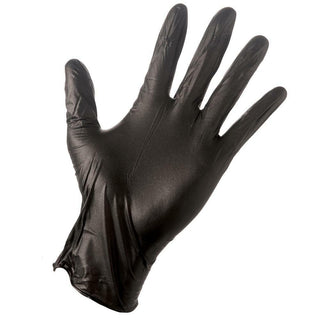
PPE: Disposable nitrile gloves, an apron and eye protection. Browse our PPE and first aid range and our nitrile gloves.
-
Chemicals: A washroom detergent, a toilet and urinal cleaner, and a disinfectant. See our full washroom cleaning range and cleaning chemicals.
-
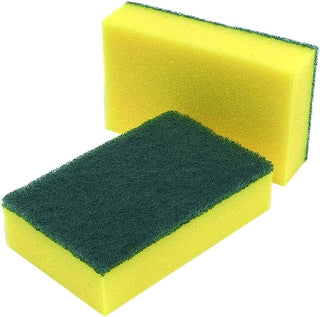
Cloths and scourers: Colour-coded microfibre cloths and non-scratch pads. Shop cloths, sponges and scourers.
-
Brushes: A toilet brush and a long-handled brush for urinals. Check our brushes and brooms.
-
Floor kit: A dedicated mop and bucket. See our mops and buckets.
-
Signage and bags: A wet floor sign, a “closed for cleaning” sign and bin liners.

Use Colour Coding
Colour coding keeps washroom equipment away from other areas. Many UK sites use red for toilets and urinals and yellow for other washroom surfaces such as sinks. Use the same colours every time. Never take washroom cloths or mops into a kitchen or office.
Commercial Washroom Cleaning: 10 Steps
Step 1: Prepare the Area
Put out your “closed for cleaning” and wet floor signs. Open a window or switch on the extraction fan. Wash your hands, then put on your PPE.
Step 2: Remove Waste
Empty the sanitary bins and general waste bins. Tie the bags and take them out. Wipe the bin lids and handles. Fit fresh liners.
Step 3: Apply Toilet and Urinal Cleaner
Apply toilet cleaner under the rim of each bowl and into each urinal. Leave it to work while you clean the rest of the room. This dwell time loosens limescale and grime so you scrub less.
Safety note: Never mix bleach with acid-based toilet cleaners. The mix releases toxic gas. Read every label first. Our guide to commercial cleaning chemicals explains what each product does.
Step 4: Dust and Clean High Surfaces
Work from top to bottom. Wipe vents, light switches, shelves, ledges and partitions first. Dirt falls down, so the floor always comes last.
Step 5: Clean Mirrors, Sinks and Counters
Spray detergent on sinks, taps, counters and mirrors. Wipe with a clean cloth. Scrub stubborn marks with a non-scratch scourer. Dry the taps and mirrors to avoid streaks and water marks.
Step 6: Clean Before You Disinfect
This step matters most. Disinfectant cannot work properly on a dirty surface. Dirt blocks the chemical from reaching the germs. Always clean with detergent first, then disinfect.
Step 7: Disinfect High-Touch Points

Apply disinfectant to every surface that hands touch often:
-
Door handles and push plates
-
Flush buttons and toilet seats
-
Tap handles
-
Soap and paper towel dispensers
-
Light switches
-
Baby changing tables
Leave the product on the surface for the full contact time on the label. Many disinfectants need several minutes to work. Wiping too soon wastes the product. Look for products tested to BS EN 1276 or BS EN 14476 when you need proven bacterial or viral kill.
Step 8: Scrub Toilets and Urinals
Return to the bowls and urinals. Scrub under the rim and around the waterline with the toilet brush. Flush. Wipe the seat, lid, hinges and outer bowl with your red cloth. Use a separate cloth for the outside of the toilet and never reuse it elsewhere.
Step 9: Clean the Floor Last
Sweep or vacuum loose debris. Mop with a washroom floor cleaner and fresh solution. Start at the far corner and finish at the door. Change the water as soon as it looks dirty. Our commercial floor cleaning guide helps you match products to your floor type.
Step 10: Restock and Check
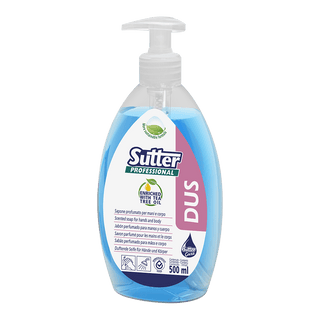
Refill the toilet roll, hand soap and paper towels. Fit a fresh air freshener if you use one. Browse our dispensers, hand wash and deodorising products.
Do a final walk-through. Check for missed spots, leaks or broken fittings. Remove your signs once the floor is dry. Sign the cleaning log.

How Often Should You Clean a Commercial Washroom?
Frequency depends on footfall. As a guide:
-
Low traffic offices: Clean daily and spot check at midday.
-
Retail, restaurants and pubs: Clean several times a day.
-
Schools, gyms and event venues: Clean at every break and after peak periods.
Use a cleaning log on the door. It shows staff and inspectors that you keep standards high. Our cleaning audit checklist guide shows you how to build one.
Common Washroom Cleaning Mistakes
-
Skipping the clean before disinfecting. Disinfectant fails on dirty surfaces.
-
Ignoring contact time. Wiping off too early stops the product working.
-
Sharing cloths and mops. This spreads germs between areas.
-
Mixing chemicals. This can cause dangerous fumes.
-
Forgetting COSHH. Keep up-to-date safety data sheets and train your staff. Read our guide to the UK chemical labelling regulations.
Frequently Asked Questions
How often should a commercial washroom be cleaned?
Clean a commercial washroom at least once a day. Busy sites such as restaurants, shops and schools need cleaning several times a day. Add spot checks between full cleans.
What is the difference between cleaning and disinfecting?
Cleaning removes dirt, grease and grime. Disinfecting kills germs on a surface. You must clean first, because dirt stops disinfectant from working.
What PPE do I need for commercial washroom cleaning?
Wear disposable gloves, an apron and eye protection. Add a face mask if the product label asks for one. Always check the safety data sheet for each chemical.
How long should disinfectant stay on a surface?
Leave it for the contact time on the product label. This is often between one and five minutes, but it varies by product. Wiping it off early reduces its effect.
Can I mix cleaning chemicals in a washroom?
No. Never mix chemicals. Bleach and acid-based toilet cleaners release toxic gas. Use one product at a time and rinse surfaces between products.
Get the Right Supplies for Your Washrooms
Great commercial washroom cleaning starts with the right products. UKCS Group stocks over 25,000 cleaning, hygiene and catering products, with delivery in 1 to 3 business days.
-
Shop our washroom range
-
Apply for a trade account for dedicated account management and tailored pricing
-
Need advice? Contact our team or call 0207 183 1310
Last updated: November 2026


